What Quiet BPD Feels Like...
There’s a lot of talk about Borderline Personality Disorder and how emotionally draining, taxing and painful it truly is. We also know that because people experience the disorder so differently, it has become more accepted and helpful to categorize the experience by sub-types. Quiet BPD or Discouraged Borderline Personality Disorder is one of the most painful for the person as it is experienced mostly internally and not always having dangerous or harmful consequences for those around them. In this blog post, I will discuss what Quiet BPD is and how it feels by way of exploring it through the example of the movie “The Whale.”
Borderline Personality Disorder Sub-types
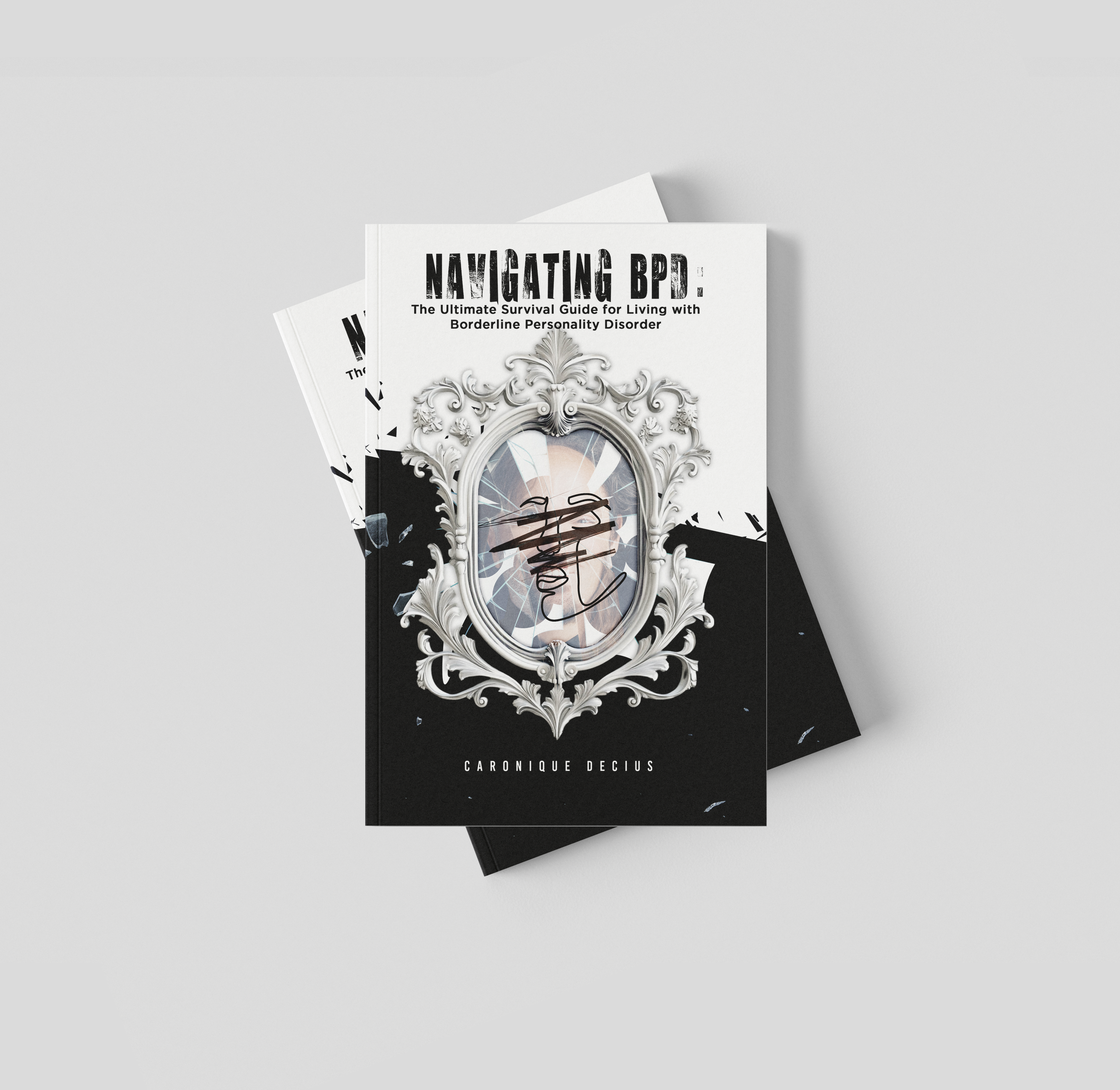
In my book, Navigating BPD , I go into more detail about the sub-types of and why it’s important to know what they are. Here, I will go into brief detail about the 4 sub-types and focus specifically on Quiet BPD. For more information on the sub-types you can purchase on my book on the lulu bookstore or the kindle version on Amazon.
Petulant BPD
This sub-type shows their emotions outwardly. They tend to fear loss of control
and uncertainty more, which can make them present as very demanding, controlling and even manipulative. Their behaviors tend to be more passive-aggressive, and their moods swing greatly and frequently. Their personality seems…well…petulant (or crotchety). This sub-type, when displeased in their interpersonal relationships, tries to control them in ways that present as abusive and lacking in boundaries and remorse. However, the root of the problem usually stems from feeling unloved and unworthy.
Impulsive BPD
The impulsive sub-type is very reminiscent of their name. Once triggered, they
tend to handle that pain in very impulsive ways like getting drunk to the point of aggression, doing drugs with people whom the aren’t certain are safe, unprotected sex with strangers, fast or reckless driving or putting themselves in unsafe positions or places. Another type of impulsivity is binge behaviors like binge eating, overspending etc. It’s important to note that the aggression doesn’t always have to be induced by alcohol or drugs. Being triggered could lead to yelling fits, punching or breaking objects and other aggressive acts. The impulsive behavior could be harmful to self or others while there is very little or no regard to the consequences of the action.
Self-Destructive BPD
This sub-type is self-explanatory. This usually manifests as a deep self-hatred or self-loathing and an inability to cope with the inner conflict. Self-destructive behaviors tend to surface through cutting, burning, threats of suicide and suicide attempts, drug use, and adrenaline seeking behaviors. The core of this sub-type is to escape the constant loop of pain and self-loathing by doing and engaging in any kind of behavior that will distract them. Because of the behaviors they engage in, they may also have periods of euphoria where they are seemingly successful in running away from their inner turmoil.
Quiet/Discouraged BPD
This sub-type is known by 3 different aliases: quiet, discouraged and vuknerable BPD. The reason the experts call it by those names is because of the characteristics.
This sub-type tends to experience their symptoms more quietly. The intense emotions, rage and anger and the like are usually experienced inwardly. The self-talk is very negative, the outward expressions of discontent are very limited, and they tend to inflict the pain they feel on themselves. Self-harm is more likely in this sub-type. This sub-type may hold down jobs well and for longer periods of time and are considered highly functioning. However, the internal battle is very intense and experienced with very little outward expression (tantrums, arguments, conflicts etc.) They tend to experience more loneliness, isolation and emptiness. They also fear abandonment to a greater extent. The outward expression of this pain is
relatively well hidden. Because of the inward and silenced pain this sub-type is frequently misdiagnosed as major depression.
Choking on Quiet BPD

In the movie “The Whale” starring Brendan Fraser – I found this very powerful relation to Quiet BPD and what it feels like to live with Quiet Borderline Personality Disorder. There was a scene where the main character was eating and he choked – properly choked whereas his airway was completely obstructed and he had no ability to breathe or talk or gasp for air. Now, because of his size he also wasn’t able to get up and run around the house trying to get anyone’s attention or even move in a position to save his own life. Luckily, the friend that was there noticed that he hadn’t responded to her and looked back and realized he was choking and took action. The point is that having a completely obstructed airway/choking is a very quiet process. I remember taking a first aid and CPR training and them talking about this. If you’re actually choking, calling 911 (at least here in The Bahamas) won’t do you any good because you can’t talk to state where you are, what’s happening or what you need. Here, there is no tracker for them to use and determine your position to send help; if you’re choking alone, here in The Bahamas, you’re effectively dead.
What does this have to do with BPD? Quiet BPD is choking without a sound, hoping that someone in the room (provided you’re in the room with someone) turns around and helps…saves your life. The pain and the intensity of BPD is the lack of oxygen flowing to your body and your brain. The cutting, the substance use, the suicide attempts – they’re all your frantic attempts to dislodge the pain stuck in your throat, blocking healthy expression. And what are you choking on? Abandonment, trauma, loneliness, emptiness. The choking happens in such a quiet way that the person – only a few feet away from you, the right person next to you, may not hear you.
Recently I had a conversation with a mental health professional whereas when assessing my risk level, thought that I was okay simply because I was able to shower each day. The problem being that I have been having increasing suicidal thoughts that had grown to self-harming behaviors.

Recently I had a conversation with a mental health professional whereas when assessing my risk level, thought that I was okay simply because I was able to shower each day. The problem being that I have been having increasing suicidal thoughts that had grown to self-harming behaviors.
Choking is just like that. Everyone is listening for the sound, looking to see if you’re incoherently screaming around the room, looking for help. They’re looking to see if you’re drinking or getting drunk, smoking so much that you accomplish nothing, not taking a shower, not completing my tasks, not cleaning the house. In reality you’re quietly choking in the clean house, with the partly read book on the coffee table, and clean sheets on the bed, music playing in the background and plans for the next vacation on your browser – yet losing consciousness as you doubt that you’ll live to see it. Quiet BPD doesn’t make the noise that we assume it does. Yet we treat it as such because it helps us – the outsider. It gives you a sign, it gives you a list, it gives you something concrete to check off and say your loved one is okay. But for us with the disorder, the only thing concrete is that thing you can’t see -and it is that truth that’s killing us quietly.